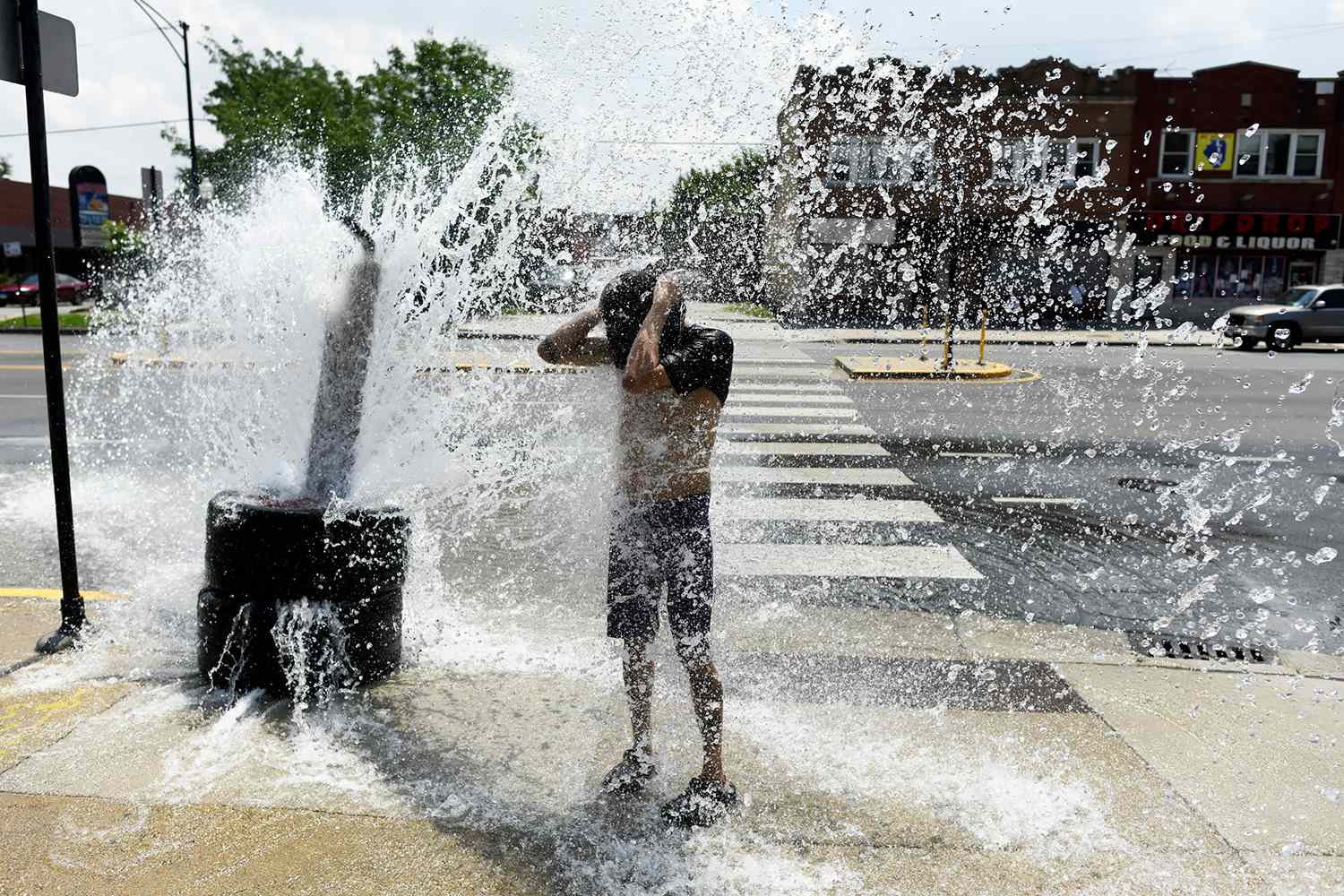
Hinsdale residents stepping off the BNSF Metra train Monday and Tuesday afternoons will walk into air that feels like 105 to 115 degrees.
A second heat dome in two weeks is building over the Midwest, and the National Weather Service forecasts a high of 92°F on Monday, July 13, for Hinsdale, with temperatures continuing in the mid-90s on Tuesday, July 14, according to the NWS Chicago office. AccuWeather projects feels-like temperatures between 105 and 115°F across the Plains and Midwest when humidity and intense sunshine are factored in. No rain is expected through at least Wednesday, July 15. Unlike lakefront communities that may catch an occasional breeze off Lake Michigan, Hinsdale sits roughly 20 miles inland with no such relief.
What the first heat dome cost
The first heat dome arrived around Sunday, June 29, and persisted through the July 4 weekend, when at least four people in Illinois died of heat-related causes, according to NPR. Three Cook County residents died that weekend: David González, 44, of heatstroke in Chicago Lawn; Mike Rodríguez, 57, of cardiovascular disease complicated by heat stress in McKinley Park; and Barbara Whigham, 71, of cardiovascular disease complicated by heat stress in Englewood, according to the Cook County Medical Examiner's Office. All had underlying health conditions.
The Chicago Department of Public Health reported an average of three heat-related deaths per year from 2020 to 2024. The July 4 weekend alone exceeded that annual figure.
Dr. Alison Tothy, an emergency medicine physician at UChicago Medicine, told the Chicago Tribune that multi-day heat events compound the danger: "If you're continually exposed to heat and you don't recover appropriately, you can have this sequential buildup of exhausting your body. Your body doesn't have the reserve."
The NWS forecast shows overnight lows of 68 to 72°F during the heat dome week, meaning homes without central air will not cool down enough at night for residents' bodies to recover.
Who is most at risk
Seniors, children, people with heart disease or diabetes, and those taking blood pressure or mental health medications face the highest risk, according to NPR's reporting on CDC guidance.
Where to find help
Residents who need a cooling center can call 211. DuPage County has previously directed residents to 211dupage.gov for cooling center locations during heat emergencies. The Illinois Commerce Commission advises contacting your utility provider about peak-hour reduction programs; financial assistance for electric bills is available through ComEd's payment assistance program.
To reduce heat exposure at home: close blinds and curtains during peak sun, use ceiling fans, seal air leaks around doors and windows, and keep AC systems maintained. The CDC recommends drinking eight ounces of water every 15 to 20 minutes when outdoors in extreme heat.
As of Saturday, July 12, neither the Village of Hinsdale nor the Hinsdale Fire Department had issued a public statement or announced cooling center hours specific to the July 13–15 heat event. Residents with concerns about a neighbor's welfare during the heat can contact the Hinsdale Police Department's non-emergency line.