Mild hearing loss doubles a person's risk of developing dementia. Moderate loss triples it. Severe impairment makes someone five times more likely to develop the disease.
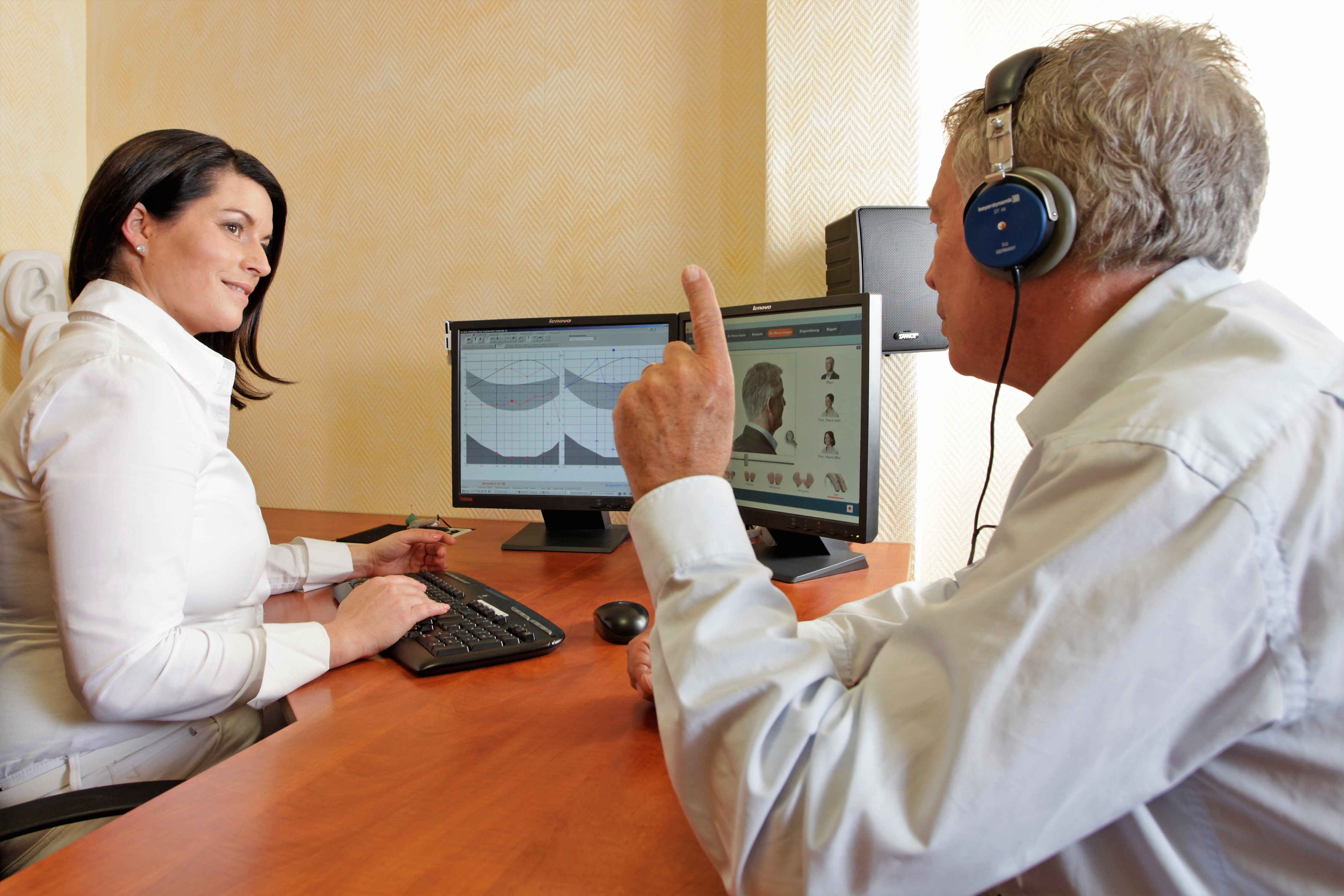
Those findings come from a Johns Hopkins longitudinal study that tracked 639 adults for nearly 12 years. They're also the reason Brian Bessey, hearing care practitioner at Beltone Hearing Care Center at 120 E. Ogden Ave., Suite 105, in Hinsdale, says more residents should schedule a baseline hearing test at age 60.
"If you could take a pill that would cut your risk of dementia in half, would you take it?" Bessey said in a July 8 feature in The Hinsdalean. "A hearing aid can do that."
A separate Johns Hopkins randomized trial, the ACHIEVE study published in The Lancet, enrolled nearly 1,000 adults ages 70 to 84 with mild to moderate hearing loss. Among a high-risk subgroup, hearing intervention slowed cognitive decline by 48% over three years. The trial's primary result across all participants was not statistically significant.
Researchers identified three mechanisms connecting hearing loss to cognitive decline: the brain expending extra resources to process degraded sound, auditory deprivation causing structural changes to neural networks, and social withdrawal as communication becomes harder.
The local gap
Nationally, only one in seven Americans over 50 with hearing loss uses a hearing aid, according to Johns Hopkins Medicine. The average user waits 10 years before seeking help.
Bessey said the hesitation often stems from denial. He described accepting hearing loss as "almost a grief process" for patients. His own father withdrew from family gatherings before getting fitted with hearing aids.
The causes extend beyond aging. Prolonged noise exposure, head trauma, certain medications, high blood pressure, diabetes, and smoking can all contribute, Bessey said. He recommends testing at 60, or earlier if problems are suspected, along with protective headphones in noisy environments and controlled earbud volume at any age.
Where to go
Bessey joined Beltone about four years ago after a career as a business owner. He holds a degree in psychology. The Hinsdale office is open Mondays and Wednesdays from 9 a.m. to 5 p.m. and Fridays from 9 a.m. to noon. Initial hearing testing and consultation are free, Bessey said. The phone number is (630) 413-9111.
Beltone Hinsdale is hosting a free hearing event Monday, July 13, through Wednesday, July 15. Reservations are required.