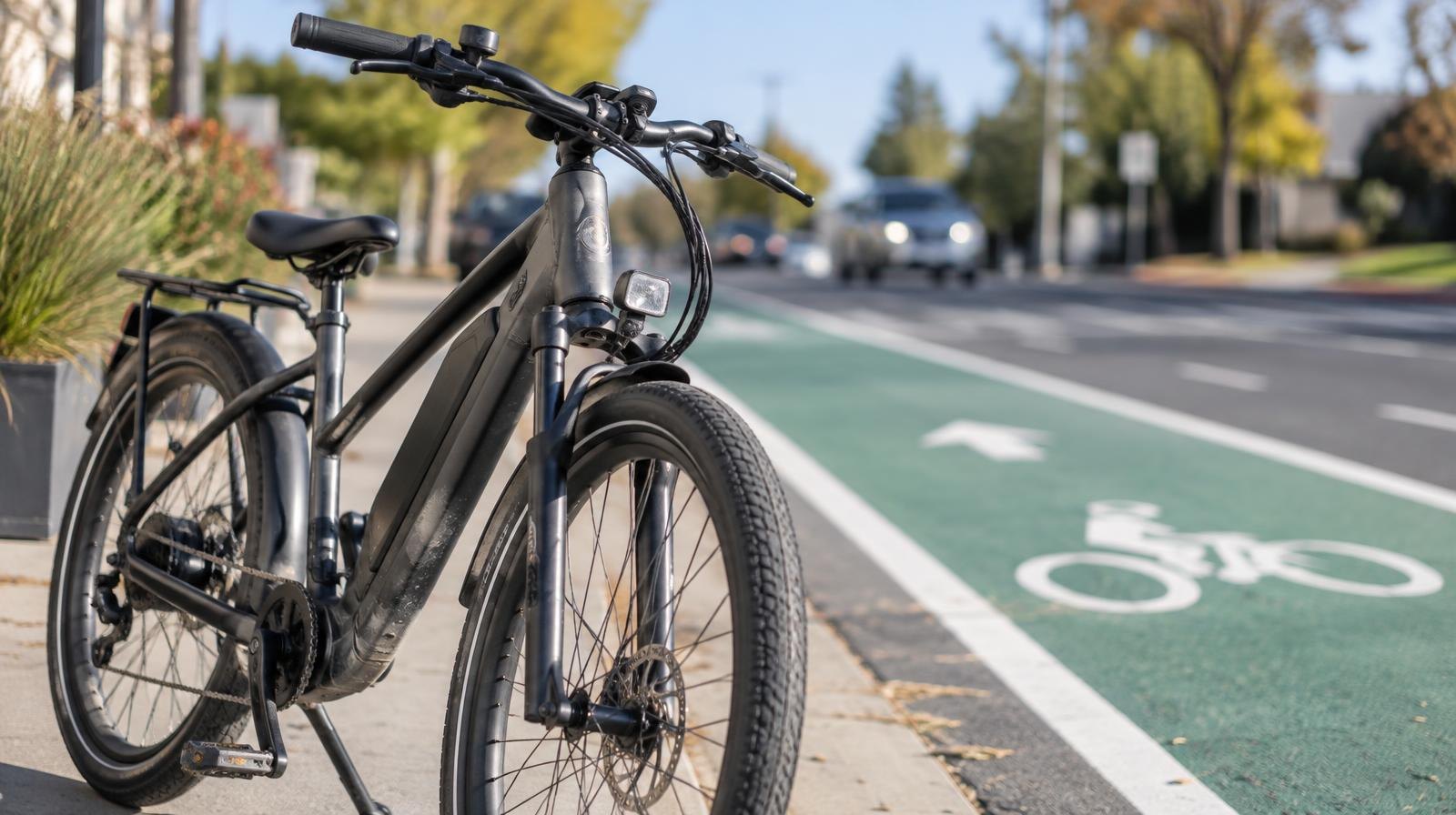
Illinois families with kids who ride electric bicycles or scooters will face new statewide rules starting Jan. 1, 2027.
The law, signed Aug. 26 as Public Act 104-0854, creates uniform classifications and age requirements for e-bikes, electric scooters, electric skateboards and electric unicycles, according to a fact sheet from the Illinois Municipal League. It replaces what had been a patchwork of local rules with a single statewide framework.
State Sen. Darby Hills, who sponsored the legislation, said in coverage published in October on her website that the issue was personal. "As a mom, this is personal to me. We've tragically lost young people in our own communities in incidents involving these devices, and parents and law enforcement have been sounding the alarm," Hills said. "Technology moved faster than our laws."
Hills said some electric devices capable of reaching 40 or 50 mph had been falling into gaps in Illinois law.
What changes for riders
The law sorts devices into categories based on speed and motor power.
Low-speed e-bikes (up to 28 mph) fall into three classes. Class 1 and Class 2 e-bikes require riders to be at least 15 years old. Class 3 e-bikes, the fastest low-speed category, require riders to be at least 16. A Class 3 rider must be 18 to carry a passenger who is not a family member. All three classes are allowed on streets, bike lanes, bike paths and shared-use trails but prohibited on sidewalks, according to Hills' November newsletter.
High-speed e-bikes with motors exceeding 750 watts or capable of traveling over 28 mph are regulated as motor-driven cycles. Riders need a valid driver's license, title, registration and insurance. These devices are banned from sidewalks, bike lanes and bike paths.
Electric scooters, skateboards and unicycles require riders to be at least 16. They are prohibited from operating over 28 mph on roads, bike lanes, bike paths and sidewalks.
What municipalities must do
The Illinois Municipal League advised local governments to review their ordinances for consistency with the new law, evaluate roadway and path regulations, update enforcement protocols and revise local guidance on micromobility devices.
The law also requires state and local entities to install permanent signage or pavement markings where motor-driven cycles are prohibited on bike lanes, shared-use paths and trails.
Other statewide provisions bar tampering with a device to exceed its designed speed and prohibit retailers from misrepresenting high-speed devices as low-speed e-bikes. Motor-driven cycles and certain high-speed devices remain subject to Illinois DUI laws.
The Illinois Secretary of State's office has posted guidance and frequently asked questions about the new rules on its website.